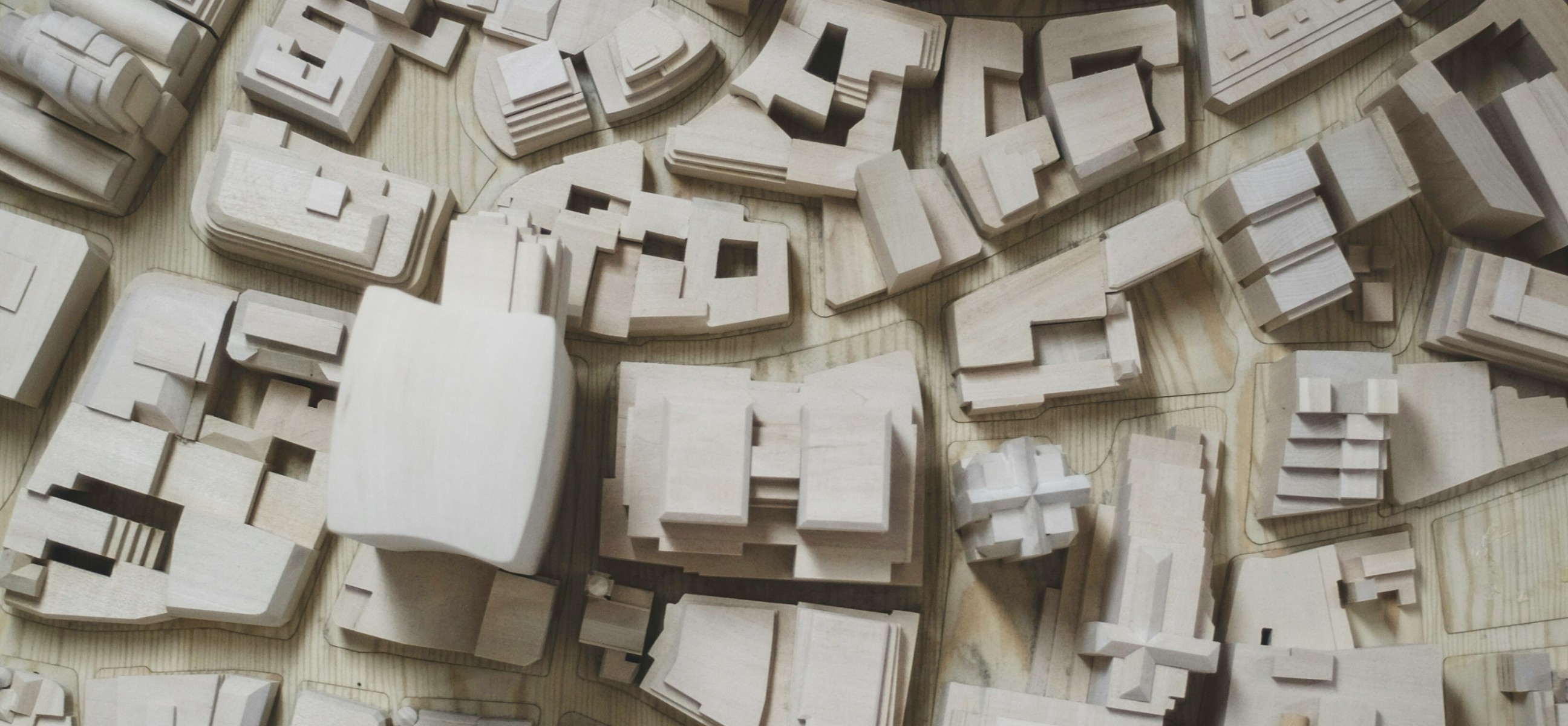
BIM's Importance in the Construction Industry lies in its ability to revolutionize how projects are planned, designed, and executed. Building Information Modeling (BIM) integrates digital design, real-time collaboration, and data management to ensure accuracy, efficiency, and sustainability in modern construction.
Key Benefits of BIM in Construction
Enhances collaboration among architects, engineers, and contractors
Provides accurate 3D models for better visualization
Reduces project costs through early error detection
Improves scheduling and project timelines
Supports sustainable and energy-efficient design
Ensures better facility management after project completion
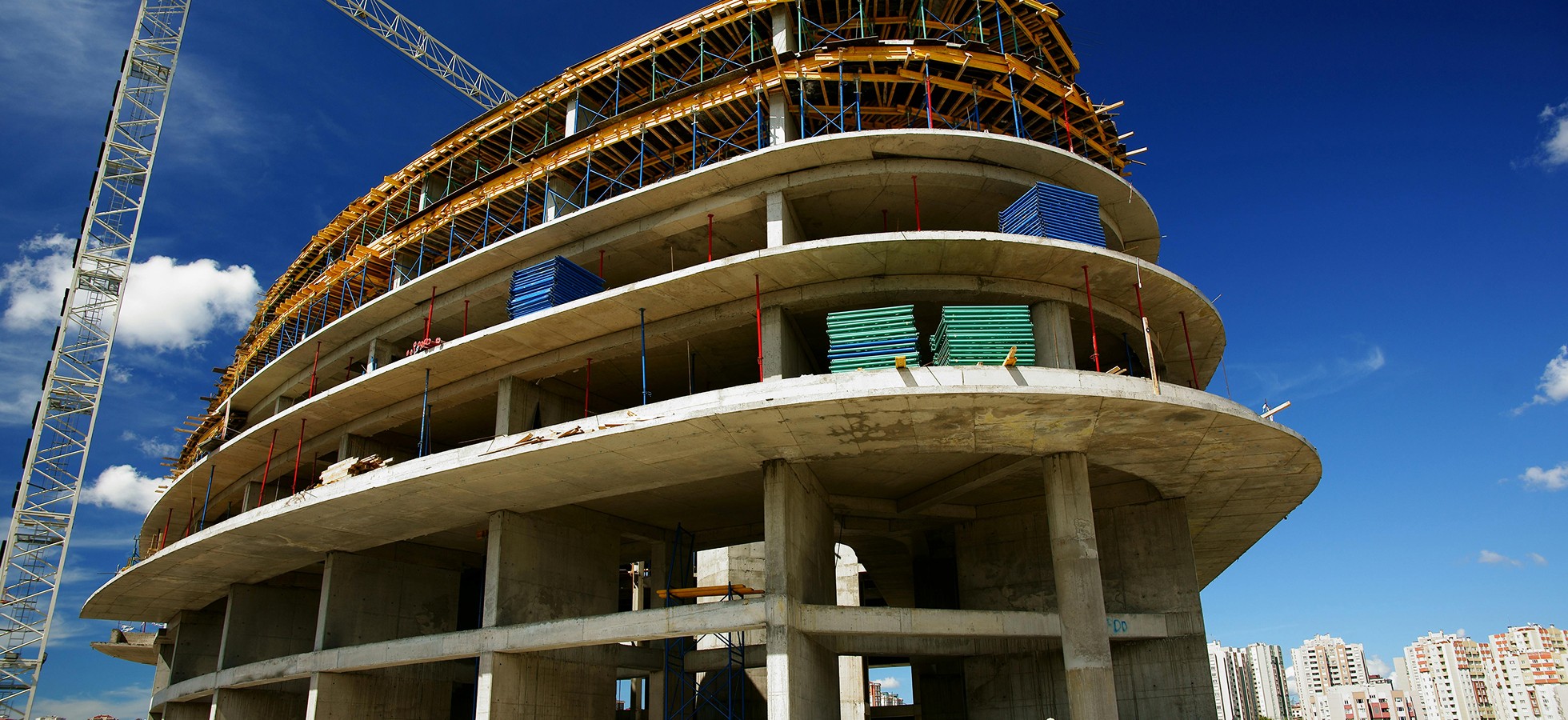
BIM is not just a tool it is the future foundation of smarter, more efficient construction.
By using BIM, construction professionals can anticipate challenges, streamline workflows, and improve decision-making. This makes it a critical component for achieving project success and long-term efficiency in the built environment.
How BIM Transforms Projects
BIM empowers project teams with real-time data and digital simulations, helping reduce risks and improve outcomes across every stage of construction.
Centralized data for seamless communication
Clash detection to avoid costly reworks
Integration with project management software
Enhanced accuracy in material estimation
Lifecycle management from design to maintenance
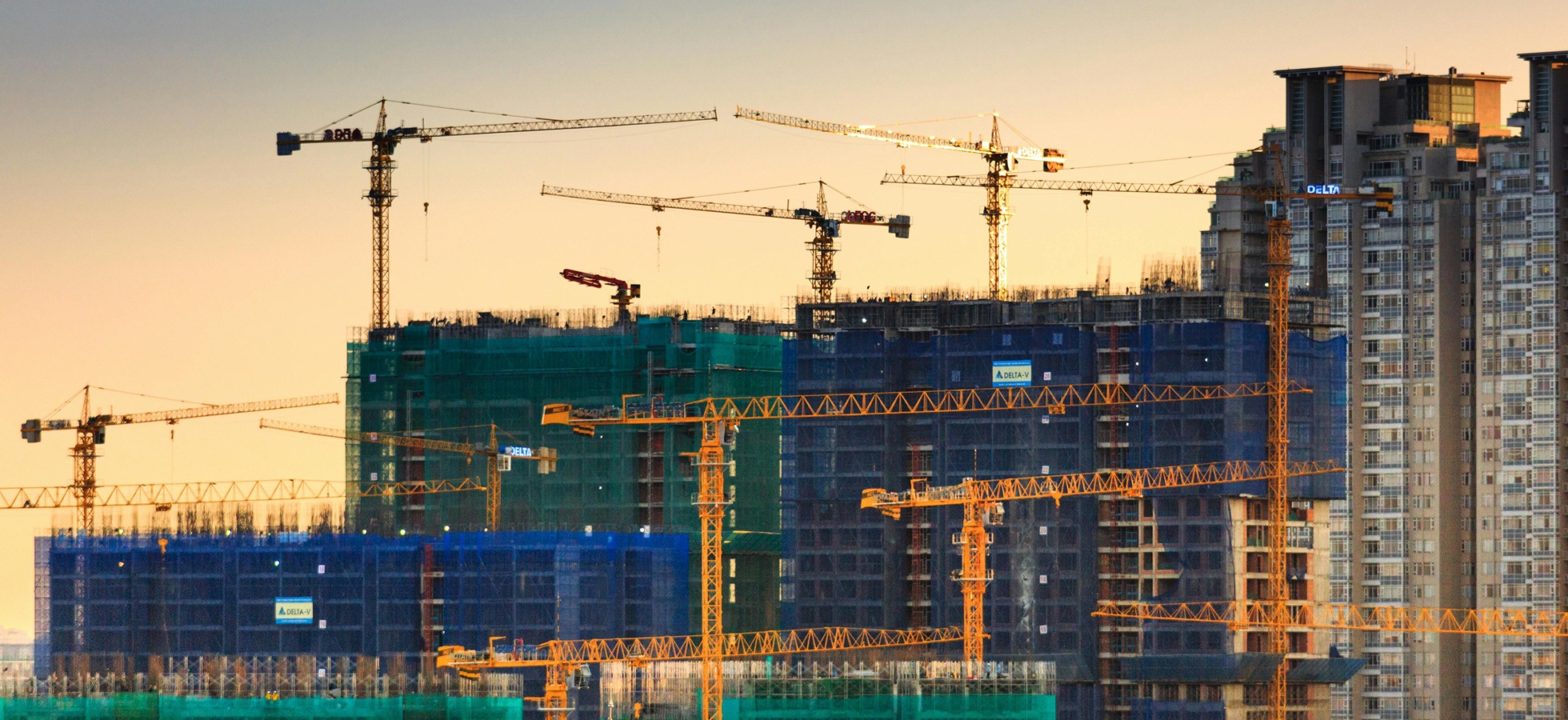
Building Smarter with BIM
The integration of BIM allows projects to move beyond traditional 2D plans and embrace intelligent modeling that drives efficiency and quality.
Future of Construction with BIM
As technology continues to advance, BIM will remain at the forefront of construction innovation, enabling sustainable growth and smarter infrastructure worldwide.